
iTONA Africa
iTONA Africa helps smallholder farmers build a record of who they are and what they grow, confirmed by their own community, so buyers and partners can trust it. It is free to every farmer.

What iTONA gives a farmer
A reference of their own
Each farmer gets an iTONA reference number, linked to their name, crops and the farm they actually work.
Backed by their community
Their record is confirmed by officers elected by the farmers of their own chapter.
A record over the seasons
Farm visits and harvests are recorded and dated, building evidence of what they grow and where.
A route to buyers
Farmers list produce on AgroMarket. Buyers can check who they are dealing with and buy from them directly.
How a record is built
The person who records the farm and the people who confirm it are never the same, and no one records their own farm.
- EnrolmentA coordinator visits the farm, maps it by GPS, records the crops and takes the farmer’s consent in Ekiti Yoruba or English.
- CheckedCANWYF reviews what was recorded. The record now shows as Provisional to anyone who checks it.
- VisitsThe coordinator returns over the season. Each visit is dated and matched to the farm’s location.
- ConfirmedAt a chapter meeting the elected officers review the record. Once confirmed, it shows as Sealed.
Women and young people first
Women are enrolled as farmers in their own right, not as someone’s wife or dependant. Young people from the community are trained and employed as field coordinators.
So far 8 of the 46 farmers enrolled are women and 11 are aged 35 or under. Our Women on Record and Next Harvest programmes are being designed to reach more of them.

The iTONA platform
Coordinators use a field app that works without internet. Farmers own the information recorded about them, and it is never sold.
iTONA news
All news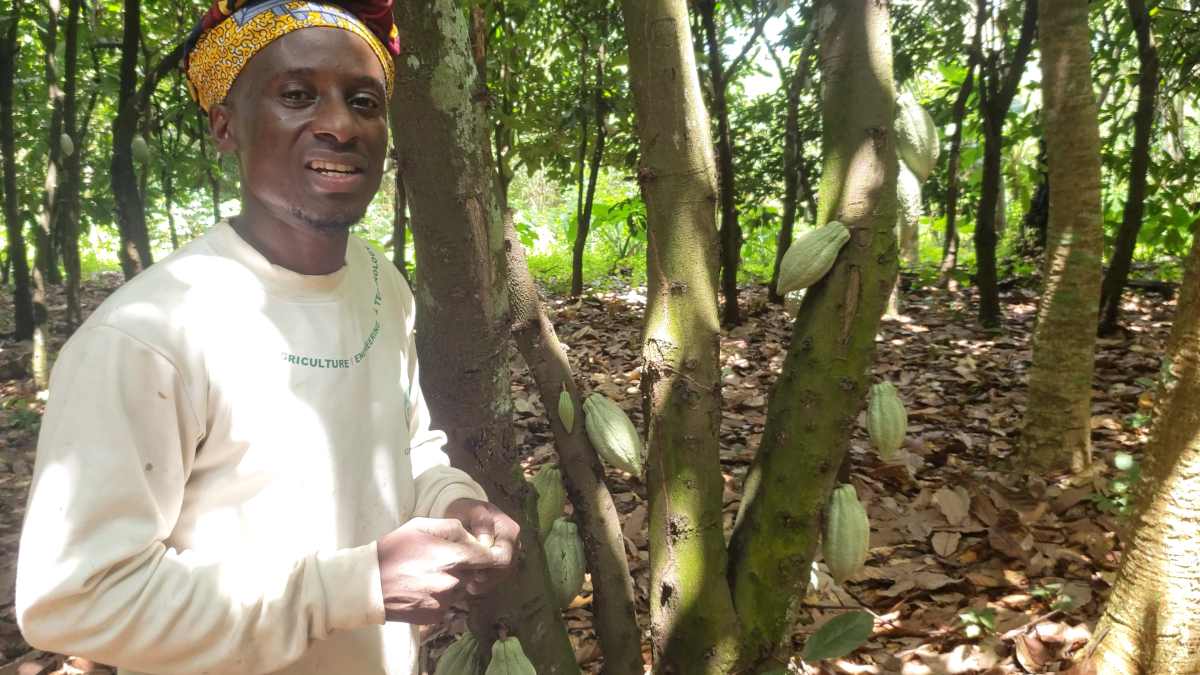
Beyond the Hectare: Why Organising the Smallholder, Not Expanding the Farm, Is Africa's Real Agricultural Task
Africa's agricultural conversation keeps reaching for more land, more hectares, more grand infrastructure. But the population of farmers is already t…
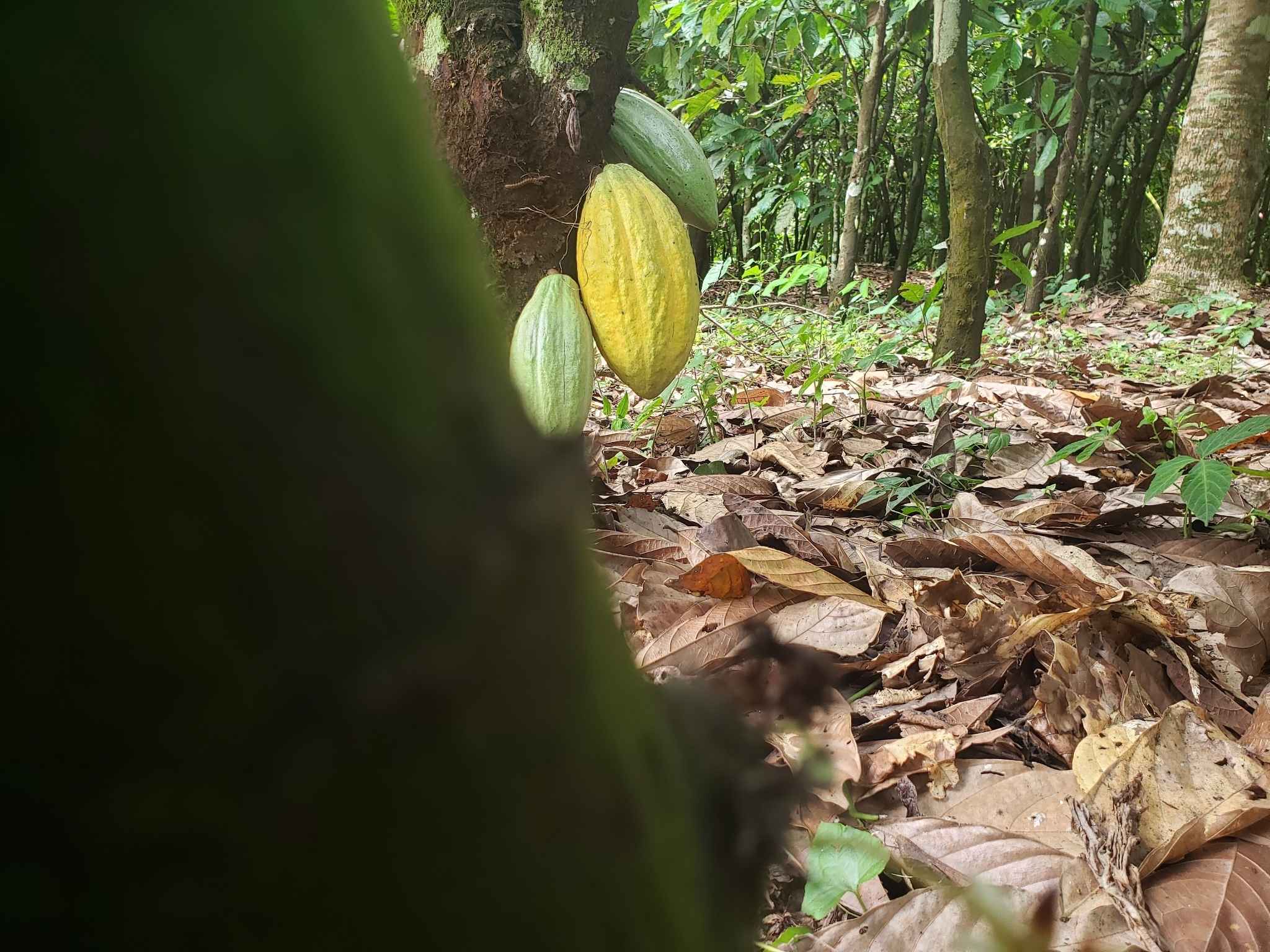
The Food We Eat Begins With the Farmer: Why Agricultural Traceability Can No Longer Be Optional
What if we stopped looking at agriculture simply as the production of food and started looking at it as a public health system? Every meal begins …
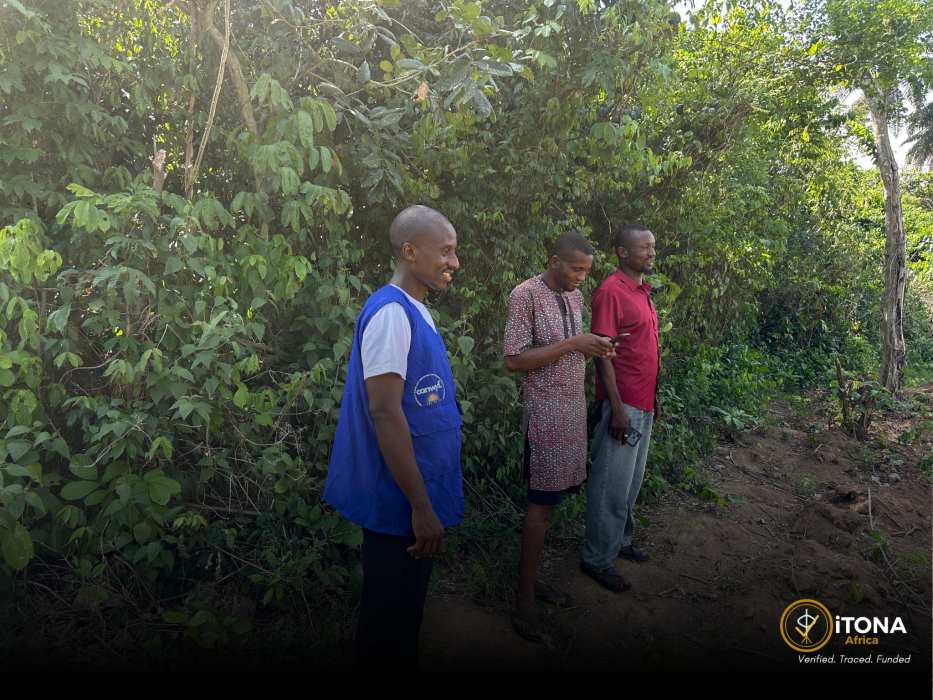
When Farmers Suffer, So Does Everyone's Plate: The Public Health Time Bomb We're Ignoring
We treat agricultural policy as a favour to farmers. It isn't. It's public health infrastructure — and neglecting the people who grow our food is a s…
Help the next farmer be seen
₦25,000 covers the field work to enrol one farmer. Young people can also apply to become coordinators.