
There is a version of the African agricultural conversation that never quite leaves the seminar room. It speaks in hectares, in yield-per-acre targets, in ambitions to "unlock" vast tracts of arable land as though the continent's food security problem were primarily a land problem. It isn't. Walk into almost any rural community across Nigeria, Ghana, Kenya, or anywhere smallholder farming sustains a population, and you will find the land. You will find the farmers. What you will rarely find is organisation — the structure that turns a scattered population of smallholders into something formidable, productive, and economically coherent.
This is the conversation Africa actually needs to be having, and it is a fundamentally different one from the idealism that usually fills the room.
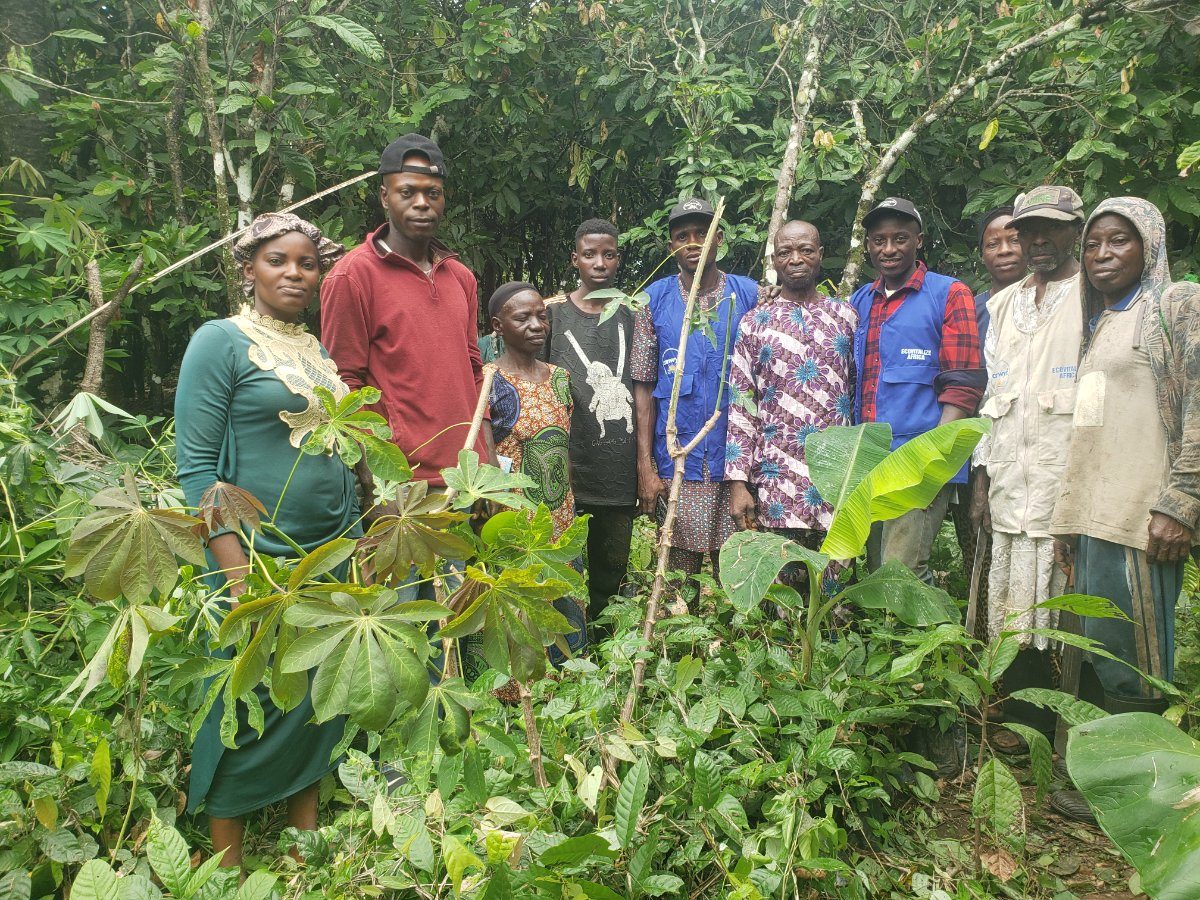
The population is already there — organisation is not
The instinct to measure agricultural progress in hectares is understandable, but it misdiagnoses the problem. Rural Africa is not short of people willing to farm, nor land on which to farm it. What it is short of is the connective tissue that turns thousands of individual, isolated smallholder efforts into a coordinated economic force — shared standards, shared market access, shared accountability, shared identity as producers rather than as scattered, invisible labour.
An unorganised smallholder farms alone, sells alone, absorbs shocks alone, and remains invisible to policy, credit, and market systems built for scale. An organised smallholder — part of a real cooperative structure with a traceable identity, a coordinator, a chapter, a record — becomes something policy can actually see, something a bank can actually lend to, something a buyer can actually trust. The task in front of rural development policy is not to conjure more farmers or more farmland. It is to organise the farmers and farmland that already exist into something economically formidable.
Charity is not a business model — and pretending otherwise wastes everyone's effort
Here is where much agricultural policy quietly deceives itself: it designs interventions as if they must simultaneously be charitable acts of goodwill and commercially self-sustaining enterprises, without ever admitting that these are two different logics that serve two different purposes.
Charity has a legitimate, necessary role in agricultural development — subsidised inputs for a farmer rebuilding after a bad season, free extension training, emergency support after a climate shock. But charity is not, and was never designed to be, commercially viable. It is developmental scaffolding, not a revenue model. The moment policymakers or programme designers start expecting a charitable intervention to also behave like a sustainable business — to pay for itself, to scale on market logic, to generate the kind of returns that attract serious private investment — they set the entire effort up to fail, because they are asking one tool to do two incompatible jobs.
The honest approach separates the two clearly. Some interventions exist to keep a smallholder afloat and dignified — call that what it is, and fund it as such, without illusions about commercial return. Other interventions exist to build the smallholder into a viable economic actor — market access, traceability, cooperative bargaining power, insurance, credit history — and these must be designed, from day one, on genuine economic logic, because a scheme with no path to commercial viability is not agricultural development. It is a subsidy programme wearing development's clothing, and it will collapse the moment the funding does.

Infrastructure that works beats infrastructure that impresses
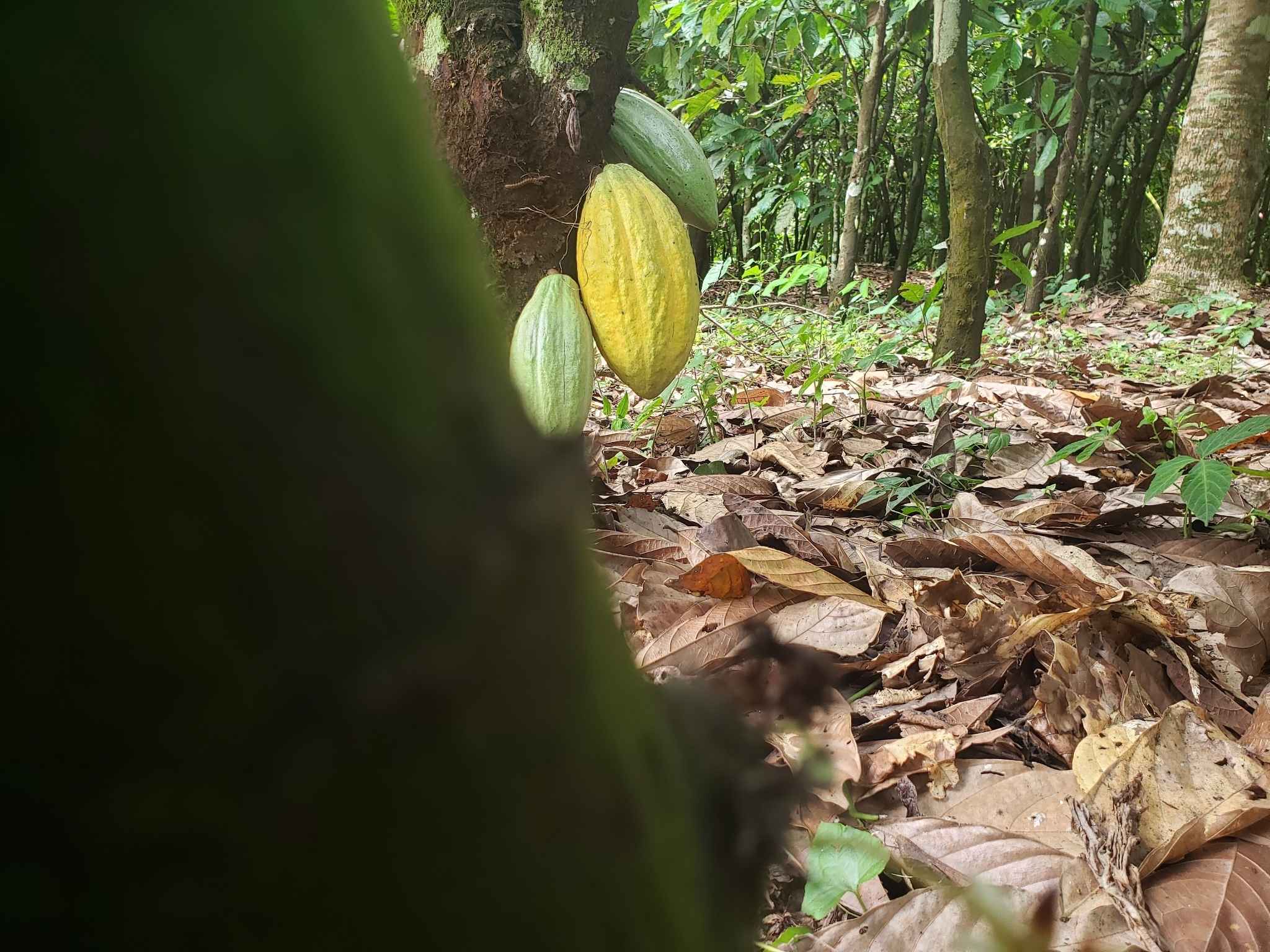
Rural agricultural infrastructure does not need to be expensive to be effective — it needs to function. A farm access road properly filled and graded with basic laterite, maintained and passable in the rainy season, will move a farmer's cocoa or cassava to market far more reliably than an expensive tarred road built poorly, under-specified, or abandoned halfway through construction — which, in far too many rural communities, is precisely what "infrastructure investment" has come to mean.
This is not an argument against ambition. It is an argument against performance — against the tendency of agricultural policy to prioritise the infrastructure that photographs well over the infrastructure that actually reduces post-harvest loss, actually gets a farmer's produce to a buyer, actually works. A community does not need a monument. It needs a road that survives the rains, storage that keeps grain from spoiling, and a market link that doesn't depend on a middleman's mood.
Start with the real, complex list — not the fancy programme
Perhaps the most consistent failure in rural agricultural policy is sequence: programmes are designed first, and the community's actual problems are discovered — if at all — afterward, usually during an evaluation report explaining why uptake was low. It should run the other way. Before any programme is designed, the real and often unglamorous list of problems facing smallholders in a specific community needs to be identified with precision: Is it storage loss? Is it the absence of a formal identity that would let a farmer access credit? Is it the thirty-minute walk to the nearest passable road during planting season? Is it the lack of any mechanism to verify quality, so a farmer's good produce sells for the same as anyone else's poor produce? Is it the absence of any cooperative structure through which farmers could negotiate collectively rather than individually absorb whatever price a buyer offers?
These are not glamorous problems. They rarely make it into a grant proposal's opening paragraph. But they are the actual, granular obstacles standing between a smallholder and viability, and no amount of fancy programme design substitutes for solving them in the order the community actually experiences them.

This is precisely the wager iTONA is making
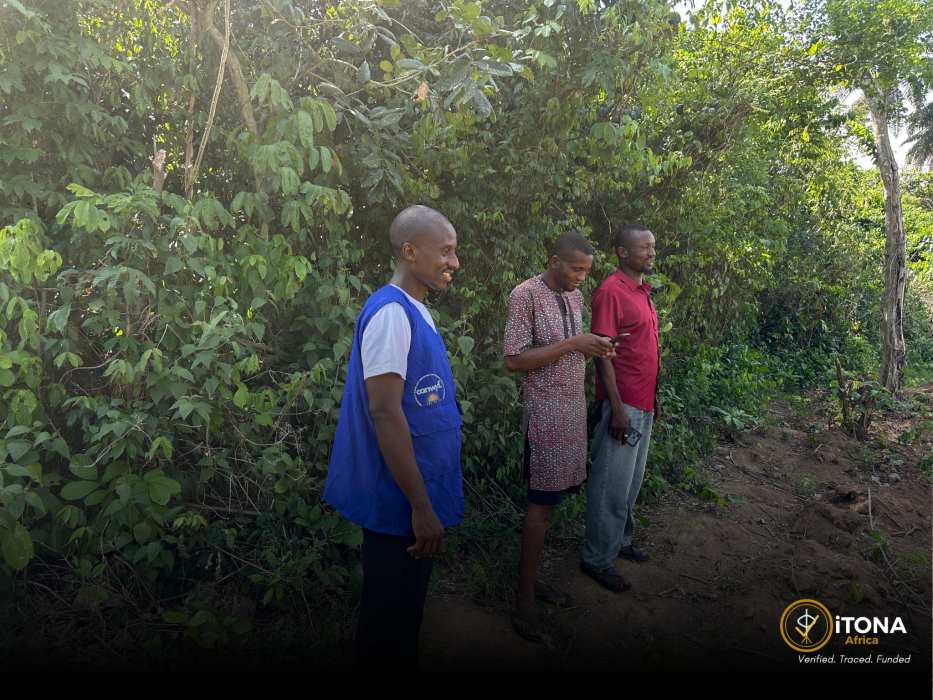
iTONA Africa exists because this argument is not theoretical — it is the operating premise behind the platform. iTONA did not begin by trying to expand farmland or recruit farmers who don't yet exist. It began with a single real pilot — Araromi-Ekiti — and the deliberate work of organising the smallholders already farming there into a structured, traceable, cooperative network: a registered chapter, a coordinator accountable for the pilot, farmers given a real identity within the system rather than remaining an anonymous statistic.
It treats the charity-versus-viability distinction seriously rather than blurring it. Where farmers need support — training, onboarding, a weather advisory that helps them plan around genuine climate risk — that support is built and given without pretending it is a revenue line. Where the platform is building genuine economic infrastructure — a traceability system that lets a buyer verify what they're purchasing and from whom, a cooperative marketplace that gives farmers real market access instead of dependence on a single middleman, an insurance mechanism that protects a farmer's investment against loss — that infrastructure is designed on real economic logic, because that is the only version of it that survives past the pilot phase.
And it favours infrastructure that works over infrastructure that impresses. A registration system a coordinator can actually use in a community with inconsistent connectivity matters more than a platform requiring conditions rural Ekiti does not yet have. A certification process a farmer can complete matters more than one that photographs well in a grant report. The platform was built by first sitting with the actual, unglamorous list of problems a smallholder in Araromi-Ekiti faces — identity, traceability, access to insurance, access to market, access to credible information — and building toward those, one piece at a time, rather than announcing a grand vision and hoping the details would sort themselves out later.
This is the conversation African agricultural policy needs more of: less idealism about what agriculture could someday be, and more discipline about organising what is already there, honestly separating what is charity from what must be viable, building infrastructure that works over infrastructure that impresses, and starting every programme with the real list of problems a community is actually facing — not the one a proposal assumes.

Comments (0)
Be the first to share your thoughts on this article.