
There is a comfortable myth many of us carry without noticing: that agricultural policy is something farmers need and the rest of us merely fund. Subsidies, extension services, fair pricing, storage infrastructure — we file these under "helping farmers," as though the benefit stops at the farm gate. It doesn't. Every one of those policies is, in the end, a public health decision. We just haven't been paying attention to it as one.
The farmer is the first line of public health, not the last
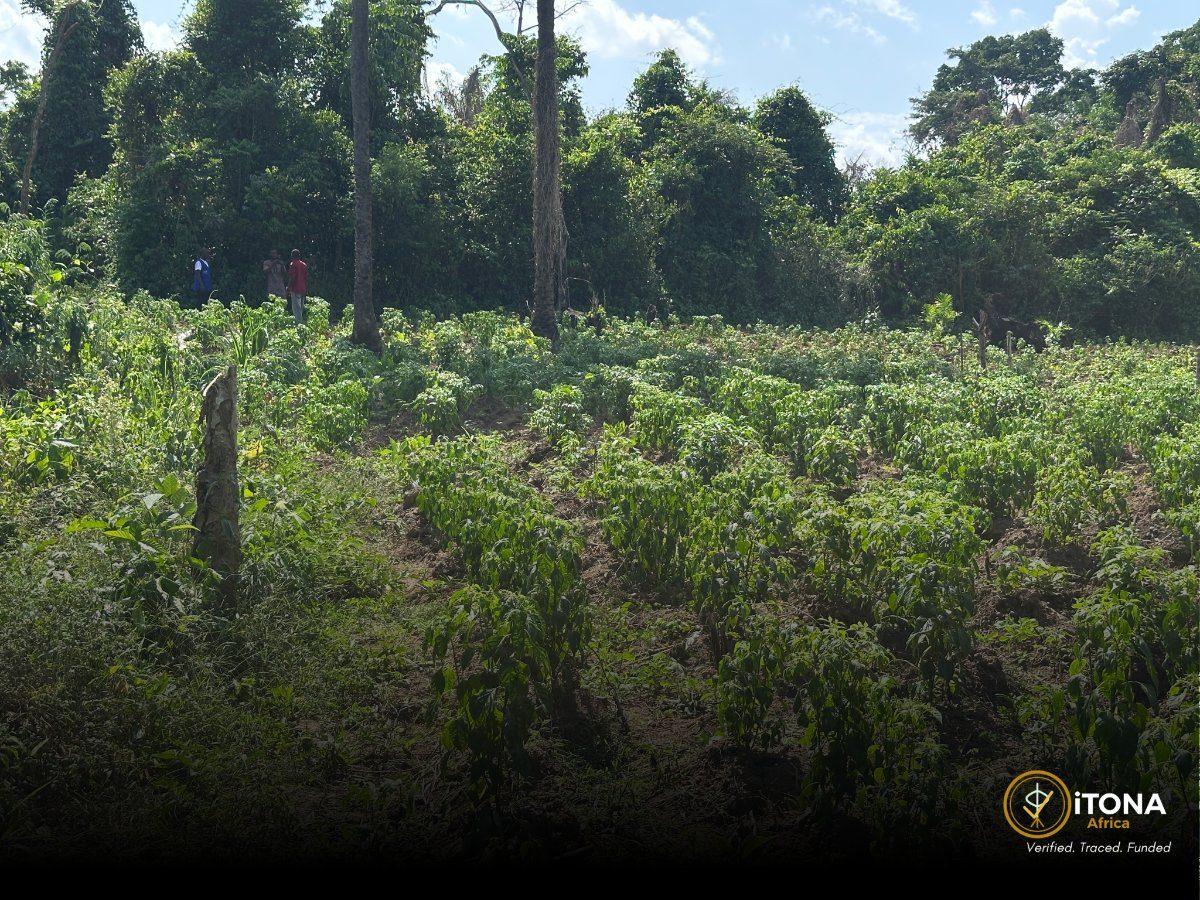
Before a doctor ever sees a patient, before a hospital ever treats a case of foodborne illness or chronic malnutrition, a farmer has already made a hundred decisions that determine whether that illness happens at all. What seed was planted. What was sprayed on it, and how much. Whether the harvest was dried properly or left to develop aflatoxin in the field. Whether the water used for irrigation was clean. Whether the farmer could afford to store produce safely or was forced to sell immediately, unsorted and unchecked, because a warehouse or a fair price was out of reach.
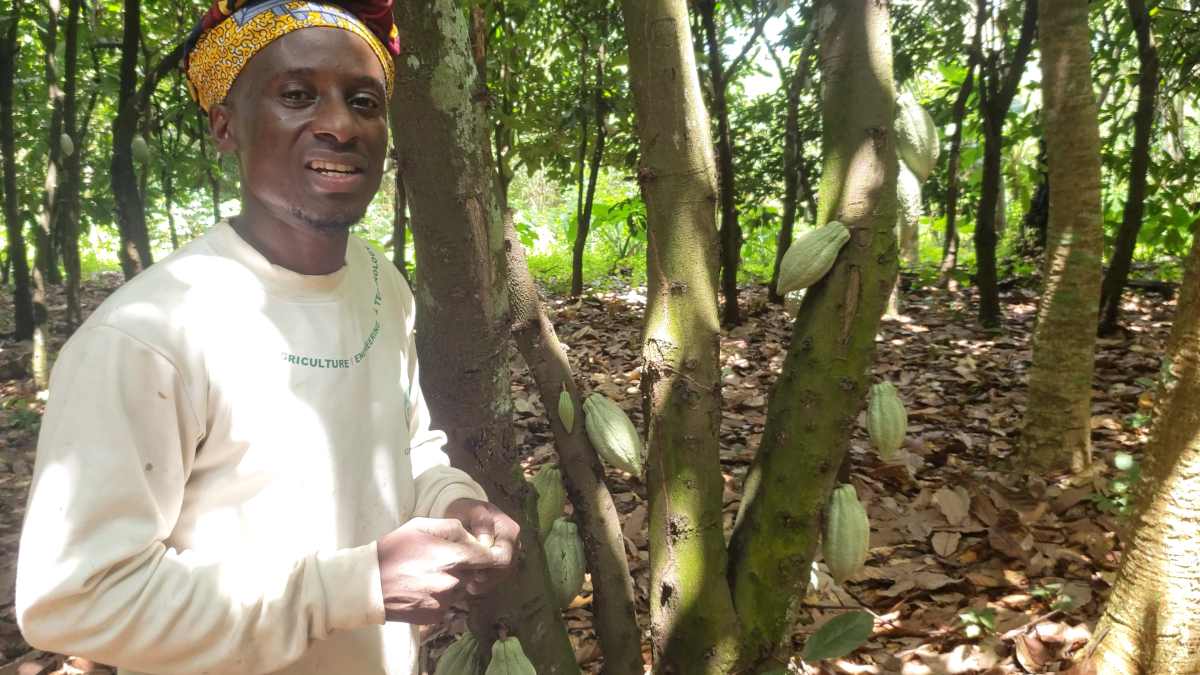
None of this happens in a hospital. It happens on a plot of land, often worked by someone earning far less than the risk they carry on our behalf. When we underpay, under-support, and under-protect that person, we are not simply being unkind to a producer. We are quietly degrading the safety of our own food supply, one cut corner at a time.
The time bomb: what happens when farmers are squeezed
A farmer operating at a loss does not stop farming — they start cutting corners, because the alternative is losing everything. This is where the time bomb sits, and it rarely explodes loudly enough for anyone to trace it back to its source.
Squeeze farm incomes, and pesticide overuse creeps in — because the cheap, aggressive option protects the harvest a poor season could otherwise wipe out, and there's no cushion to absorb loss. Deny farmers proper storage and drying infrastructure, and aflatoxin-contaminated grain — a known carcinogen — enters the food chain, not from carelessness, but from a genuine absence of better options. Leave land degradation and erratic rainfall unaddressed, and soil health quietly collapses, meaning the food that does reach our markets carries less of the nutrition we assume it has. And push an aging farming population out of the profession without a younger generation willing to replace them, and we are not looking at a labour shortage — we are looking at a slow unraveling of food security itself.
None of these show up as a single dramatic headline. They show up as a slightly higher cancer rate here, a nutrition deficiency there, a food price shock somewhere else — each one investigated in isolation, each one treated as unrelated to the last. But trace them back far enough, and they nearly all lead to the same place: a farmer who was never given what they needed to do the job safely.
Why "it's a farmer issue" is the most expensive mistake we make
The framing matters more than we admit. As long as agricultural policy is filed under "support for farmers" rather than "protection for everyone who eats," it will always lose the political argument. Farmers are a shrinking, often voiceless share of the population in policy conversations. Consumers — all of us — are not. But we've been told, implicitly, that this isn't our fight.
It is. The consumer who thinks fair farmgate prices, agronomic training, and rural infrastructure are someone else's concern is the same consumer who will one day wonder why food prices spiked overnight, why a batch of grain was pulled from shelves, or why a health advisory suddenly mentions a chemical residue nobody remembers approving. We do not get to opt out of the consequences of a broken agricultural system simply because we weren't the ones standing in the field.
What paying attention actually looks like
This isn't a call for charity toward farmers. It's a call for consumers, policymakers, and institutions to recognise agricultural investment as preventive public health spending — the same category we'd place vaccination campaigns or clean water infrastructure in, because the logic is identical: protect it upstream, or pay for it downstream at a much higher cost, in a hospital instead of a policy meeting.
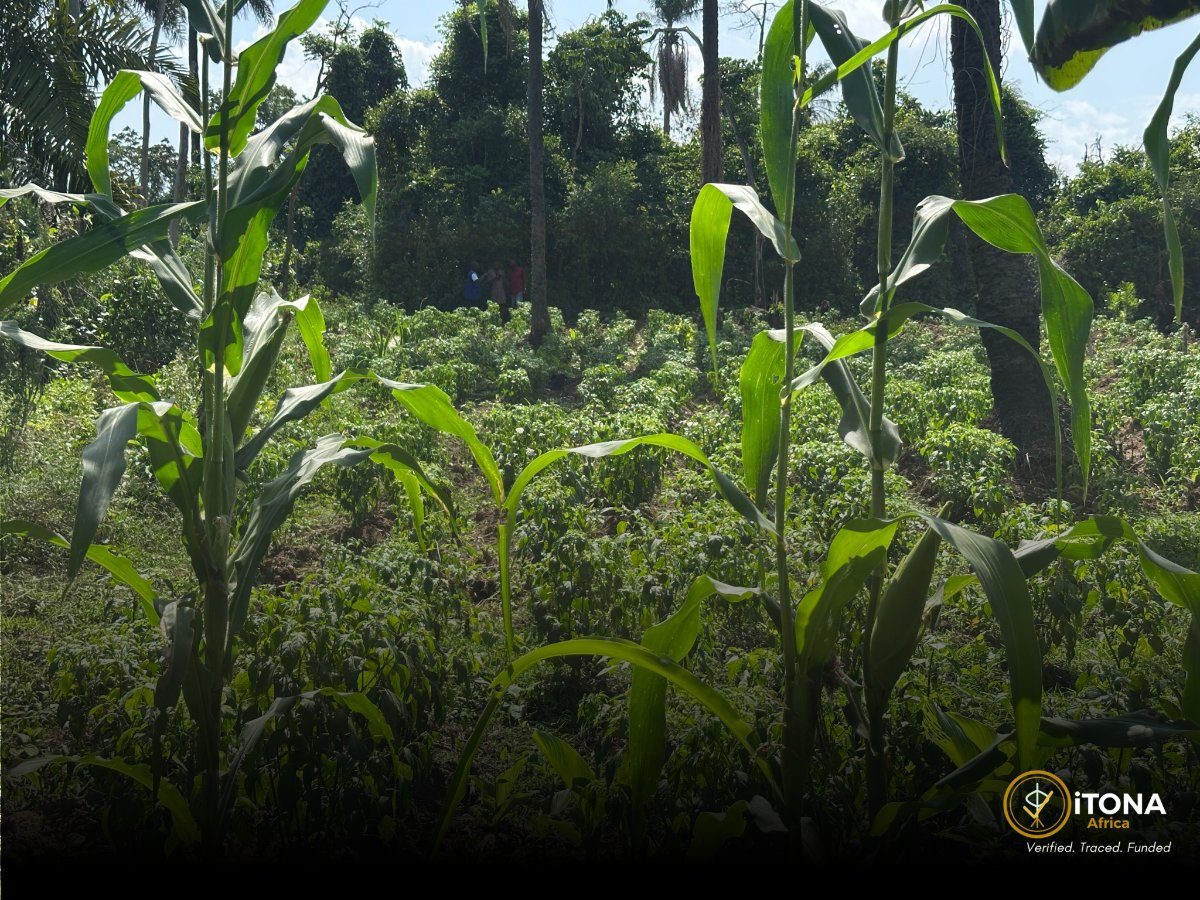
Practically, that means traceability systems that let us know where food actually comes from and under what conditions. It means extension support and fair pricing structures robust enough that a farmer never has to choose between profit and safety. It means investing in the next generation of farmers so competence and safe practice aren't lost to an aging, unsupported workforce. And it means every one of us — not just farmers, not just ministries of agriculture — treating the health of the farming sector as a direct extension of our own.
The bomb isn't ticking somewhere far away. It's on every plate. We can keep pretending agricultural policy is a farmer's private concern, or we can start recognising it for what it has always been — one of the most consequential public health decisions we make, and one we've simply outsourced to people we rarely think to protect.

Comments (0)
Be the first to share your thoughts on this article.